Couples Therapy for Infidelity & Broken Trust
Everything is shaky right now.
No stability in sight.
This is all about helping you feel grounded enough to just take the next step (whatever that is)
Most couples are rushed from truth to trust when the real work happens in the middle, in the tension. That part where you can’t decide if you should stay or go, and you question if rebuilding is even possible.
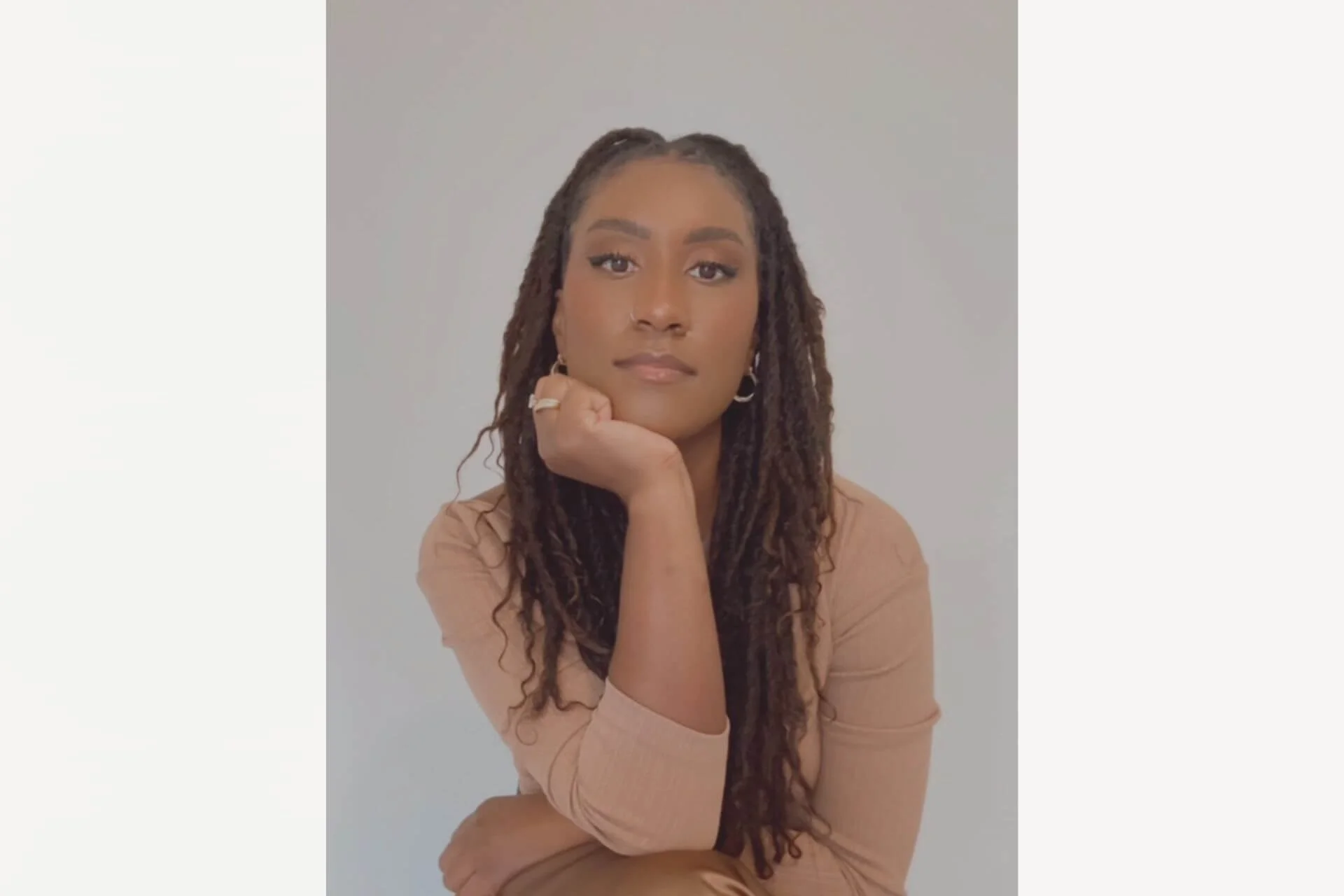
JAZMYNE ASAJU, LCSW - Serving GA & CA
Quick Call. No pressure. Just a space to figure things out.
If You’re Like Most People I Talk To…
You’re up late at night searching for answers.
Reading things. Watching videos. Hoping something will make it make sense.
During the day, your mind doesn’t stop.
You replay what happened.
You wonder if it’s still happening.
When they leave the house, your body tenses.
You check. You question. You try to get ahead of it.
And somehow… it just turns into another argument.
You’ve probably looked through their phone.
Hoping to finally get clarity.
But it never really helps.
It just leaves you feeling worse.
Even normal moments aren’t normal anymore.
A show. A comment. A memory.
And suddenly… you’re right back in it again.
You want to feel close again.
But even sex can bring it all back.
Images. Questions. Doubt.
And what was supposed to connect you… pulls you apart.
Part of you wants them to hurt the way you’re hurting.
Part of you wants to move forward.
And part of you has no idea what to do.
You keep asking yourself things like:
Was I not enough?
Did they feel more with someone else?
Can I ever trust them again?
Am I staying too long… or leaving too soon?
And even when you ask your partner…the answers don’t land.
Because right now, it doesn’t feel safe to believe anything.
So you stay stuck.
Talking in circles.
Thinking in circles.
Hurting in circles.
You’ve Likely Already Tried To Fix This…
This is usually the part where you try to talk it through.
You ask the questions.
You go back over what happened.
You try to get to the truth.
Because you know you can’t rebuild anything without understanding the why and getting to the truth.
But instead of clarity you leave those conversations feeling worse.
More confused.
More emotional.
More unsure of what to believe.
You try again.
Different approach.
Different tone.
Trying not to escalate it this time.
And somehow you still end up right back in the same place.
Nothing actually gets resolved.
At some point, it’s not just about what happened anymore.
It’s the feeling of:
Why can’t we get through a single conversation without it falling apart?
Why am I trying so hard and still not getting anywhere?
So you start looking elsewhere.
Reading. Watching. Asking.
Trying to piece together something that helps.
But there’s so much coming at you.
Opinions. Emotions. Fear.
And instead of feeling clearer, you feel even more pulled in every direction.
Maybe you’ve even tried therapy.
Hoping this would be the place it finally starts to make sense.
But even then, something still felt off.
Like it didn’t fully land.
Like bias, judgement and shame were possibly in the room with you.
So now you’re here.
Still trying.
Still thinking.
Still wanting this to move forward.
And it’s not.

What I Help Couples Do
I help people figure out if their relationship can be repaired, and how to rebuild it emotionally and physically.
What Happens When You Stop Trying To Do This Alone…
This doesn’t start with having the right answer.
It starts with finally having a space to make sense of things.
When we work together, we’re not rushing you to stay or leave.
We’re clearing the noise so you can actually see what you’re working with.
Right now, it probably feels like you’re trying to make a life decision in thick fog.
Every direction feels uncertain.
Every step feels heavy.
We work to clear enough of the fog so you can finally see what’s in front of you.
So that you can…
Understand what’s actually happening in your relationship
Stop second guessing yourself at every turn
Feel more steady, instead of constantly overwhelmed
Know what your options really are
And start to feel confident in what comes next
For some people, that leads to rebuilding.
For others, it leads to letting go.
But either way you’re not stuck in the same loop anymore.
You’re not lying awake every night trying to figure it out.
You’re not going in circles in the same conversations.
You have:
Clarity
Direction
A way forward
I can’t promise you what the outcome of your relationship will be.
But what I can say is this,.
People who go through this process are far less likely to stay stuck, confused, and overwhelmed.
They’re able to move forward in a way that actually feels grounded and true to them.
And most importantly you start to trust yourself again.
Why This Feels Different Than What You’ve Already Tried
Most people come in after trying to talk it through on their own, or after sitting in conversations that go nowhere.
Because a lot of approaches either:
Rush you to forgive before you’re ready
Focus only on communication
Or treat this like a surface-level problem
But this isn’t just about talking better.
This is a rupture that affects your sense of safety, trust, and reality.
So instead of rushing the process, we slow down in the right places.
A Different Way To Move Through This
You’re not pushed to stay.
You’re not pushed to leave.
And you’re definitely not expected to “just get over it.”
Because right now, you’re at a crossroads.
Every option feels heavy.
And you don’t have a clear map.
My role is to help you understand what each path looks like before you choose.
That means:
Making sense of what happened (without spiraling)
Understanding what’s coming from the relationship vs your own internal responses
Working through the parts of this that feel stuck, triggered, or overwhelming
So you’re not just reacting and instead you’re responding from clarity.
What It’s Like To Work Together
This isn’t open ended, go in circles conversation.
There’s a guided process that helps you:
Slow things down
Make sense of what’s happening
And actually move forward
And at the same time this space is:
Sex Positive
Trauma Informed
Inclusive of different identities, relationships, and dynamics
Which means you don’t have to filter yourself here.
Most People Who Work With Me Start to Notice…
They’re not spiraling the same way
Conversations feel more grounded and less reactive
They’re clearer on what they actually want
They feel more steady in themselves
And instead of feeling stuck they start to move forward
What You’ll Leave With
Clarity on what’s really going on so you’re not stuck guessing
A better sense of what your options actually look like
Less mental spiraling and more emotional steadiness
Space to breathe and think clearly again
A next step that feels right for you (not forced)
This May Not Be The Right Fit If..
There is ongoing cheating or contact with a third party
There is active addiction or abuse
One partner is not willing to take responsibility for their role
You’re looking for someone to “fix” your partner
You’re not willing to make changes outside of sessions
If you’re trying to figure out whether this relationship can be repaired, this is where we start
This is just a place to start getting clarity.
COUPLES THERAPY FAQs
-
No at all.
Most people I talk to aren’t sure what they want yet.
This call isn’t about making a decision but about helping you get clearer on what your options are and what feels right for you.
-
You can absolutely come on your own.
A lot of people start this process individually, especially if their partner isn’t ready or they’re still figuring things out themselves.
-
We’ll talk through what’s been going on and what’s making you feel the most stuck or confused.
From there, we’ll start to bring some clarity to your situation and what your next step could look like.
There’s no pressure to commit to anything after.
-
You’ll leave with more clarity than you came in with.
Even in one conversation, most people feel less stuck and more grounded in what they’re dealing with.
-
That’s completely okay.
You don’t have to share anything you’re not ready to.
We go at your pace.
-
That’s actually really common.
A lot of people come in after trying things that didn’t fully address what they’re going through.
This work is more focused on helping you get clarity and move forward rather than just talking things through.
-
Nope.
This isn’t about someone else deciding for you.
It’s about helping you get clear enough to make that decision for yourself, with more confidence and less overwhelm.
-
If you’re feeling stuck, going in circles, or unsure what to do next this is exactly the kind of space that can help.
You don’t have to be ready to decide anything, you just have to be open to talking it through.
Not Ready For Therapy Yet?
That’s okay. Take the free Clarity Quiz for a private, personalized look at where you are and what might help next.
Still Have Questions?
Reach out by completing the form.
*If you’re ready to get started, the best next step is to book a consult above.